
Wildlife Friends Foundation Thailand (WFFT), Hua Hin Thailand
Thailand has no shortage of wildlife attractions, but finding one that genuinely puts animal welfare first isn’t always easy.
Wildlife Friends Foundation Thailand (WFFT) is not a zoo. It’s a wildlife rescue centre and elephant refuge providing a safe home for animals rescued from exploitation, neglect and the illegal wildlife trade.
We visited WFFT in Hua Hin, spending a full day exploring the sanctuary, meeting some of its rescued animals and hearing their stories.
Some of what we learnt was confronting, but it was also one of the most worthwhile experiences we had in Hua Hin.
What is Wildlife Friends Foundation Thailand?
Founded in 2001, Wildlife Friends Foundation Thailand operates one of Southeast Asia’s largest multi-species wildlife rescue centres and elephant refuges.
Located in Phetchaburi province, approximately an hour from Hua Hin, the sanctuary is home to hundreds of rescued animals, many of which have endured years of abuse, neglect or exploitation.
WFFT’s work goes beyond providing a safe home for these animals. The organisation is also involved in wildlife conservation, rehabilitation and education, with a focus on ending the exploitation of wild animals for tourist entertainment.
Over the years, its work has attracted international attention, including features on National Geographic, Animal Planet and Bondi Vet.
Wildlife Friends Foundation Thailand (WFFT)
📍 Location: Phetchaburi, Thailand (approx. 1 hour from Hua Hin)
🎟️ Day pass: 1,600 THB per person (Full-Day Experience)
🕒 Opening hours: Guided tours by advance booking
🐘 Best for: Ethical wildlife experiences, animal conservation and responsible tourism
📍 Google Maps: Wildlife Friends Foundation Thailand


Visiting Wildlife Friends Foundation Thailand
WFFT offers half-day and full-day guided experiences, overnight accommodation and residential volunteer programs.
We visited in October while spending a week in Hua Hin. We drove there in a friend’s car, with the journey taking approximately an hour.
We booked the Full-Day Experience for 1,600 THB per person, which included a guided tour of the rescue centre, lunch and an afternoon safari through the Newlands area.
Unlike many wildlife attractions in Thailand, WFFT doesn’t offer animal performances, elephant rides or opportunities to pose with wild animals for photographs.
Instead, the focus is on observing the animals, hearing their individual rescue stories and understanding why many of them can never return to the wild.
Our guides were fantastic. They knew an incredible amount about the animals and were equally good at explaining the historical, social and economic issues behind wildlife exploitation in Thailand.
Some of the stories were difficult to hear, particularly when we learnt about the conditions the animals had been living in before being rescued.
Exploring the Wildlife Rescue Centre
The guided tour takes visitors through different areas of the sanctuary, where you’ll meet a wide variety of rescued wildlife.
Primate Rehabilitation Centre
WFFT cares for several species of primates, including gibbons and macaques. Many have been rescued from the illegal wildlife trade, the pet industry or tourist attractions.
We learnt about the challenges these animals face, including habitat destruction and the long-term effects of being kept in captivity.
Bear Sanctuary
The sanctuary is also home to rescued bears, many of which have spent years living in unsuitable or abusive conditions.
Here, you’ll hear about their rescue stories and how WFFT cares for bears that may never be able to return to the wild.
Tiger Rescue Centre
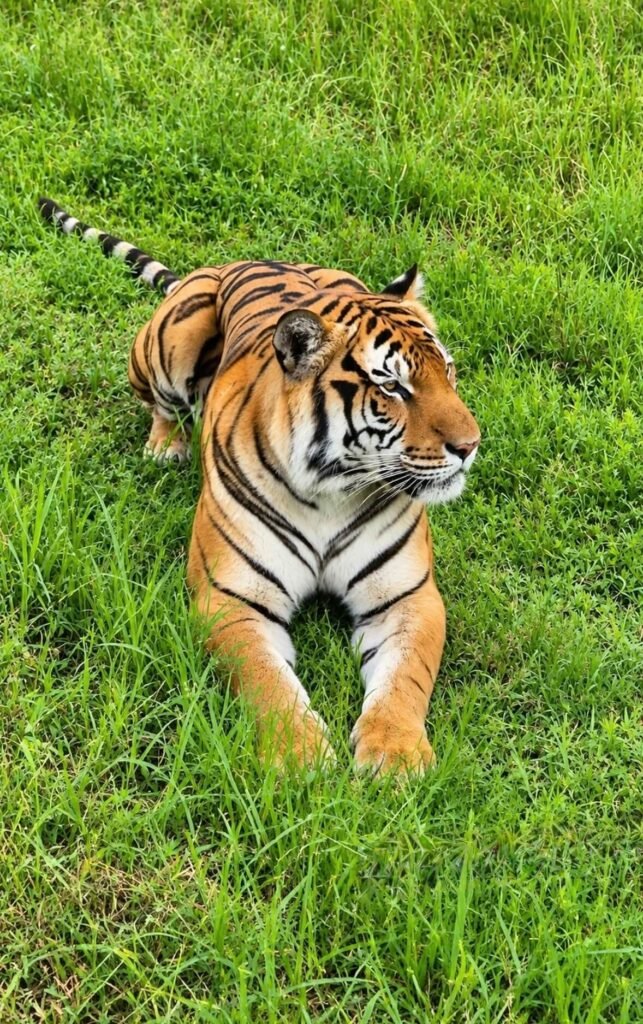
WFFT provides a permanent home for rescued tigers that cannot safely be released into the wild.
Seeing these magnificent animals in spacious enclosures, with room to move around and access to large pools, was very different from the tiger attractions found elsewhere in Thailand.
Elephant Refuge
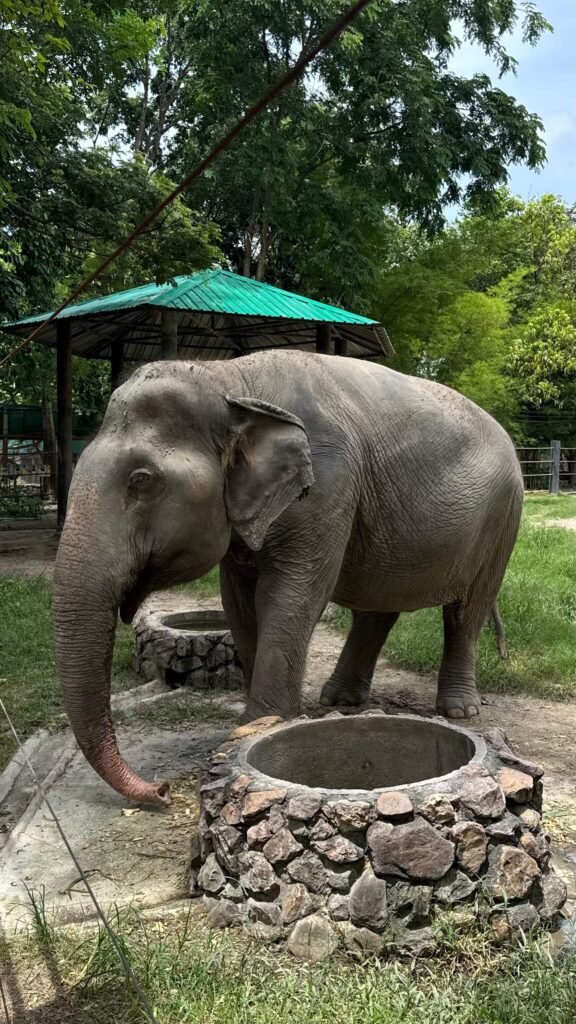
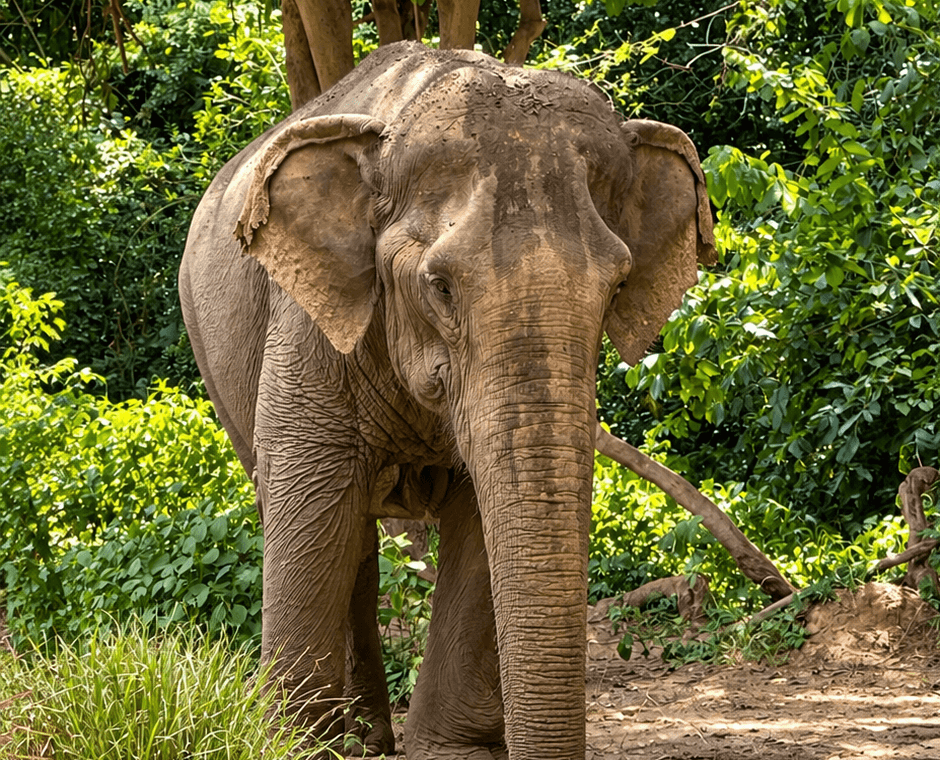
The elephant refuge is home to elephants rescued from tourism and other industries where they’ve spent years working or being used for entertainment.
There’s no elephant riding or bathing here. Instead, you get to observe the elephants and learn about their individual stories, including why many can never return to the wild.
Lunch Overlooking the Elephant Refuge
A Thai buffet lunch is included in the Full-Day Experience, with meat and vegetarian options available.
The restaurant overlooks one of the elephant enclosures, and you can also watch the gibbons swinging around on nearby Gibbon Island.
The Newlands Safari Experience
After lunch, we boarded a safari bus for a tour through WFFT’s Newlands area.
This is a large section of the sanctuary where rescued animals live in more spacious, open environments.
It’s included in the full-day tour and gives visitors the opportunity to see more of the sanctuary and its rescued wildlife.


Is Wildlife Friends Foundation Thailand Worth Visiting?
Absolutely. Although I think it’s important to understand that visiting WFFT is about much more than seeing wildlife.
Hearing some of the animals’ stories was confronting. The cruelty they’d experienced before arriving at WFFT was sometimes so awful that it was almost impossible to believe people could treat animals that way.
But alongside those heartbreaking stories were some really encouraging ones.
Many of these animals had spent years being exploited for entertainment or kept in terrible conditions. Now they have somewhere safe to live, receive proper care and, in many cases, spend the rest of their lives free from that suffering.
Seeing the dedication of the WFFT team and the work they’re doing to give these animals a better life was something I really appreciated.
The Unexpected Impact of COVID-19
Something I hadn’t considered before visiting WFFT was the impact COVID-19 had on animals being used for tourist entertainment.
When tourism came to a standstill in 2020, some businesses could no longer afford to keep or feed their animals. As a result, some of these animals ended up being surrendered to rescue centres.
We all remember how difficult those lockdowns were, but I found it interesting that the collapse of tourism also meant some animals were finally freed from the conditions they’d been living in.
If there was one silver lining to that period, perhaps this was it.
Our day at WFFT left me thinking about just how resilient animals can be and, unfortunately, how cruel humans can be too.
But it also reminded me that there are people who genuinely care and are willing to dedicate their lives to making things better.
Seeing these animals safe, protected and receiving the care they deserve was heartwarming, particularly after hearing what so many of them had been through.
How to Get to Wildlife Friends Foundation Thailand
WFFT is located in Phetchaburi province, approximately one hour from Hua Hin and around three hours from Bangkok, depending on traffic and your starting point.
We drove from Hua Hin in a friend’s car, but transport can also be arranged from Bangkok, Cha-am and Hua Hin. Contact WFFT directly for current transport options and pricing.
There are several ways to visit:
- Half-Day Experience: A guided introduction to the rescue centre and its animals.
- Full-Day Experience: A more comprehensive visit, including lunch and the Newlands safari tour.
- Overnight stays: Accommodation for visitors wanting to spend more time at the sanctuary.
- Volunteer programs: Residential opportunities ranging from short stays to several months.
Bookings, accommodation details and volunteer information are available through the official WFFT website.
You can also support WFFT through donations, which help fund the ongoing rescue, feeding, veterinary treatment and care of animals at the sanctuary.
What to Bring to WFFT
You’ll spend a considerable amount of time outdoors, so come prepared for the heat and walking involved.
I’d recommend bringing:
- Comfortable walking shoes
- Mosquito repellent
- Drinking water
- A camera or phone for photographs
- Sunscreen and a hat
Light, comfortable clothing is also a good idea, particularly during Thailand’s hotter months.
WFFT’s Advice for Ethical Wildlife Tourism in Thailand
One thing WFFT really emphasises is how much influence tourists have over the treatment of wild animals.
Thailand has plenty of wildlife attractions, but it’s worth doing some research before handing over your money.
WFFT encourages visitors to avoid elephant riding, animal performances and attractions where wild animals are used as photo props. This includes everything from posing with tigers to having your photo taken with a slow loris or gibbon.
They also recommend researching any sanctuary before visiting. Just because somewhere calls itself an ethical wildlife centre doesn’t necessarily mean it is.
And if you come across wildlife in its natural habitat, particularly macaques around temples and tourist areas, don’t feed them. It changes their behaviour and can create problems for both the animals and people.
Final Thoughts
I left WFFT with mixed emotions. It was sad hearing what some of these animals had endured, but also really encouraging to see the work being done to give them a better life.
It reminded me that while humans are capable of some terrible things, there are also plenty of good people doing their best to make a difference.
If you’re spending time in Hua Hin, I’d highly recommend making the trip to WFFT. It’s a worthwhile experience, and your visit helps support the ongoing care of hundreds of rescued animals.
And if you want to know what else you can do while visiting Hua Hin, check out my Hua Hin Travel Guide as well as my reviews on serveral gyms in the area.
Stay strong, stay travelling, and keep the adventure alive.
Travel. Lift. Explore
Ree 🧡